

 See My Latest Article on HelloNation

How Do You Know If You Need a Personal Injury Attorney?
For residents of Martinsburg, WV, not every accident or injury situation requires legal counsel. Still, certain signs suggest that professional advice could be crucial, especially if your recovery or financial situation is at stake. Generally, a personal injury attorney becomes helpful when there's disagreement about who is at fault, when injuries are severe, or when the insurance process gets complicated.
Uncertainty is common after car accidents, falls, or other harmful incidents. The law and insurance can seem overwhelming, particularly when healing and finances are your main focus. Knowing common situations that benefit from legal expertise can help local households make clear, informed choices.
What Types of Injuries or Incidents Often Require Legal Guidance?
Cases involving more than minor injuries are the ones most likely to need an attorney’s input. Some examples include:
- Car accidents with hospitalization, fractured bones, or permanent effects
- Injuries at work that raise questions about fault or coverage
- Slip-and-fall accidents resulting in expensive medical care or missed work
- Dog bites or animal attacks, especially if a child or senior is harmed
- Injuries caused by unsafe property conditions—like icy sidewalks or broken stairs
In Martinsburg, accidents can happen year-round, but winter weather and aging infrastructure sometimes increase risks for falls or collisions. If your injury leads to lasting pain, loss of mobility, or prevents you from returning to your routine, it may be wise to investigate your legal rights early rather than assuming that insurance will provide fair support.
What If the Insurance Process Is Slow or Unfair?
Insurance claims can drag on, with paperwork delays or unreturned messages. Sometimes, valid claims are denied or settlement offers seem far lower than the actual costs—medical bills, lost wages, or rehabilitation in particular.
A personal injury attorney can help if:
- The insurance company seems to be avoiding your questions
- You’re pressured to accept a quick settlement without understanding future expenses
- The settlement offer does not seem to cover your actual losses
- Fault is being unjustly shifted onto you
In Martinsburg, it's not unusual for insurance adjusters to be based out-of-town, leading to delays or misunderstandings about local roads, weather, or property conditions. If you notice your claim is receiving little attention, this may signal the need to seek legal advice.
Could Handling a Claim Alone Hurt My Case?
For small claims or minor injuries, many local residents handle paperwork on their own with reasonable results. However, a few overlooked mistakes—such as missing deadlines, signing waivers too soon, or giving unclear accident details—can limit your options. West Virginia law sets time limits (known as statutes of limitations) for personal injury claims, and evidence can be lost if too much time passes.
Example mistakes to avoid:
- Admitting fault before all details are understood
- Assuming minor pain will heal without documenting medical visits
- Ignoring doctors’ orders, making it seem like the injury isn’t serious
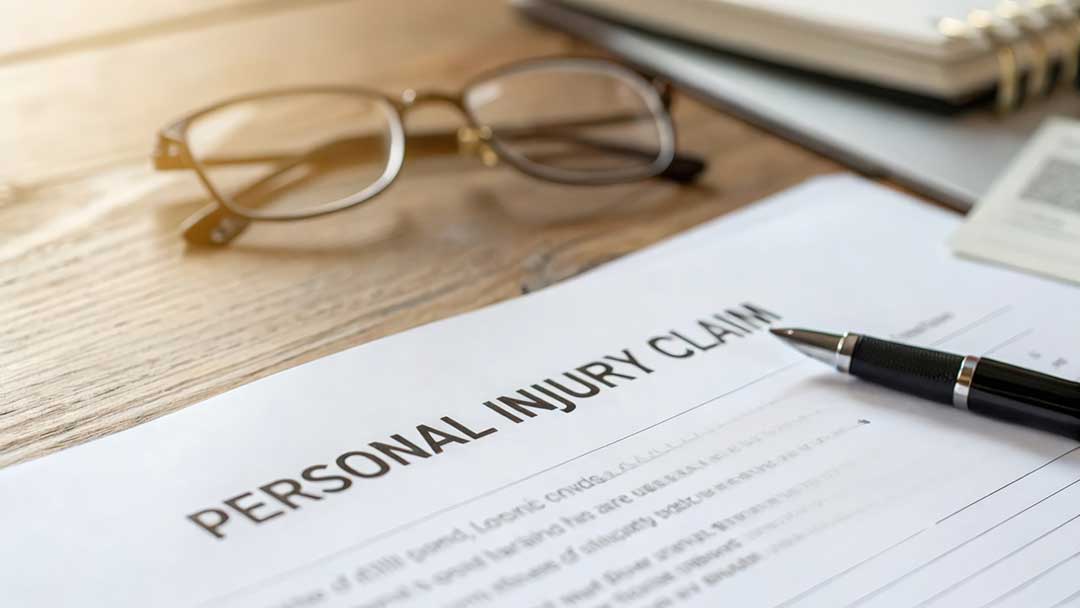
When injuries are extensive or the liable party attempts to avoid responsibility, legal guidance may be the safest route.
Are There Common Misconceptions About Injury Claims in Martinsburg?
Some residents believe that insurance will handle everything fairly, or that hiring an attorney only makes a problem bigger. Others worry that legal support is too expensive or only necessary for large disasters. In reality, serious injuries—whether from a car wreck on I-81 or a fall on a local sidewalk—can disrupt a family’s well-being even if the incident seems minor at first.
Practical factors unique to Martinsburg include:
- Seasonal weather and poorly maintained walkways increase slip-and-fall risks
- Busy intersections can complicate accident reports and witness accounts
- Healthcare providers may require proof of future payment for longer treatment plans
Gaps in insurance coverage, conflicting accident details, and out-of-town parties involved can make a straightforward claim less clear-cut.
What Local or State Rules Could Affect My Decision?
West Virginia follows a modified comparative fault rule, meaning your compensation may be reduced if you're partly to blame for an accident. If you’re found mostly at fault (51% or more), you may recover nothing. Understanding how comparative fault works is especially important in multi-vehicle accidents, worksite incidents, or slip-and-fall claims on private property.
Deadlines also matter. Generally, West Virginia law allows two years from the date of the injury to file a lawsuit for personal injury. If accident reports, photos, or medical records are lost or incomplete, your ability to build a strong case is limited. Consulting early, even informally, can help area residents gather what’s needed in time.
How Can Local Factors Influence the Decision?
Martinsburg’s growth, mix of residential and commercial properties, and varying road conditions create a unique environment for accidents. Winter ice, heavy summer storms, and regional traffic from nearby states can all play roles in local injury claims. Emergency response times, availability of witness statements, and access to local medical care are also factors residents should consider when evaluating the need for legal support.