

 See My Latest Article on HelloNation
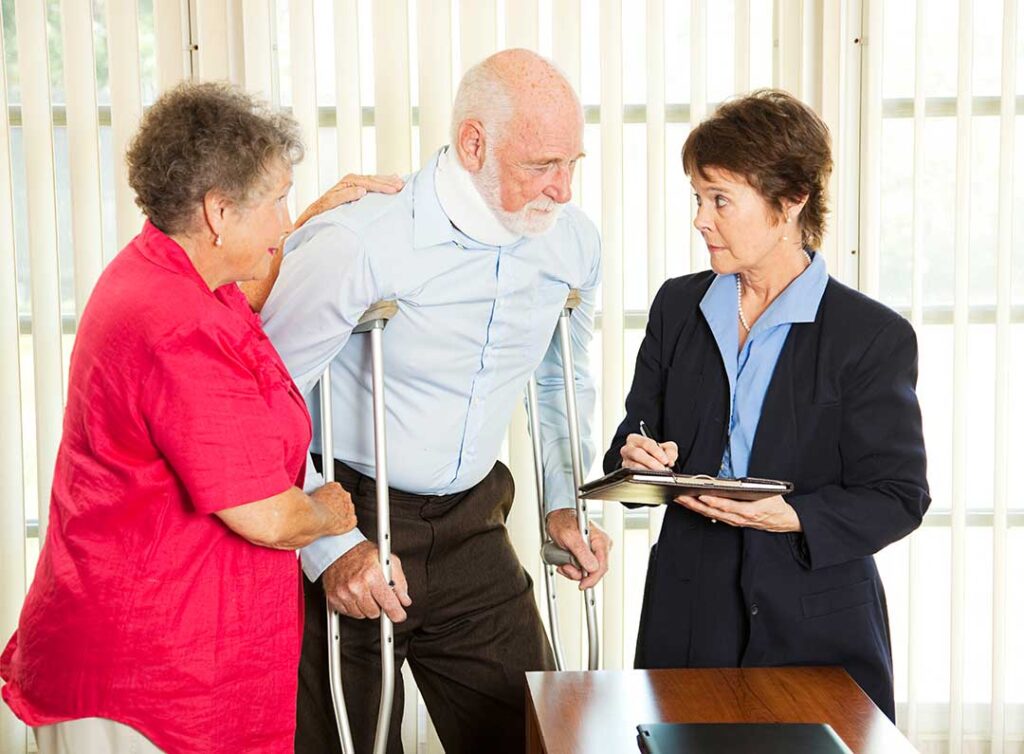
What Are Witness Statements and Why Do They Matter?
Witness statements are written or recorded accounts from people who saw or heard what happened during a personal injury incident. In personal injury cases, these statements can confirm details about how an accident happened, the behavior of individuals involved, and even the condition of the scene. For residents of Martinsburg, having strong, reliable witness statements can make a significant difference in clarifying facts, especially when there are conflicting stories or missing information.
Even in situations with insurance reports, police summaries, or photographs, personal observations provide a human perspective. Statements from neighbors, bystanders, or passengers can reinforce the injured person's version of events, or they might challenge claims if the accounts do not match. Because traffic accident scenes or slip-and-fall sites in the city can be quickly cleaned up or change due to weather conditions, local statements often help preserve a record of what happened—for courts, insurance companies, or other parties reviewing the claim later.
How Do Witness Statements Get Collected in the City?
Witness statements in Martinsburg are often gathered at the scene of an accident or soon after. Police officers responding to incidents may ask witnesses what they saw, and sometimes will take statements on the spot. In other situations—such as falls in residential areas, collisions in parking lots, or injuries during community events—witnesses might be contacted later for their recollections.
Ways these accounts are typically collected:
- Police or incident reports that include summaries of witness observations.
- Written statements that witnesses prepare themselves, describing what they saw or heard.
- Audio or video recordings, especially if a person has difficulty writing or prefers to give a verbal account.
- In some cases, formal testimony may be requested if the case goes to court, but most incident-level witness statements are informal.
Local personal injury cases often focus on practical details: Did weather or lighting contribute to what happened? Was a sidewalk icy? Were there obstructions in the road? Witnesses familiar with Martinsburg’s traffic patterns or typical foot traffic can add useful context.
What Makes a Witness Statement Credible?
A credible witness statement is one that is clear, specific, and matches the observable facts. For legal or settlement purposes, a statement is more valued if the witness:
- Was able to see or hear the main event directly.
- Provides details that agree with other evidence—such as photographs, official reports, or medical records.
- Has no personal or financial interest in the case’s outcome.
- Avoids speculation, focusing instead on what they truly observed.
Statements from people who did not see or hear the entire incident are still useful, but clear limitations should be included. For example, "I saw the driver stop at the stop sign, but I did not see the actual collision." This transparency helps everyone involved judge the reliability of the person’s memory.
Sometimes witnesses in the city have longstanding community ties or know those involved, which can become a source of bias. Courts and insurance adjusters pay close attention to whether the person giving a statement has a close relationship to the injured party or the at-fault party.
Common Questions from Martinsburg Residents
Do I Need More Than One Witness Statement for My Case?
No set number is required, but more than one unbiased account can strengthen a claim. Multiple witnesses who independently describe the same details—like the timing of a streetlight changing or a vehicle running a stop sign—show that the evidence is not the result of one person’s error or misperception.
Can Anyone Be a Witness?
Almost anyone who observed the incident in question can be a witness, including bystanders, pedestrians, or passengers. However, statements from drivers, workers, or people directly involved may be viewed differently due to potential bias. For example, a store employee witnessing a slip-and-fall during a rainy day can add valuable information about floor conditions, as long as their account is accurate and impartial.
What If Witnesses Did Not Stay at the Scene?
It is common in Martinsburg for those at accident scenes to leave quickly—especially in high-traffic or evening situations. If a witness leaves before speaking to authorities, it might still be possible to find them through informal neighborhood networks or asking local residents. Contact information can sometimes be collected at the scene by the people involved or by first responders.
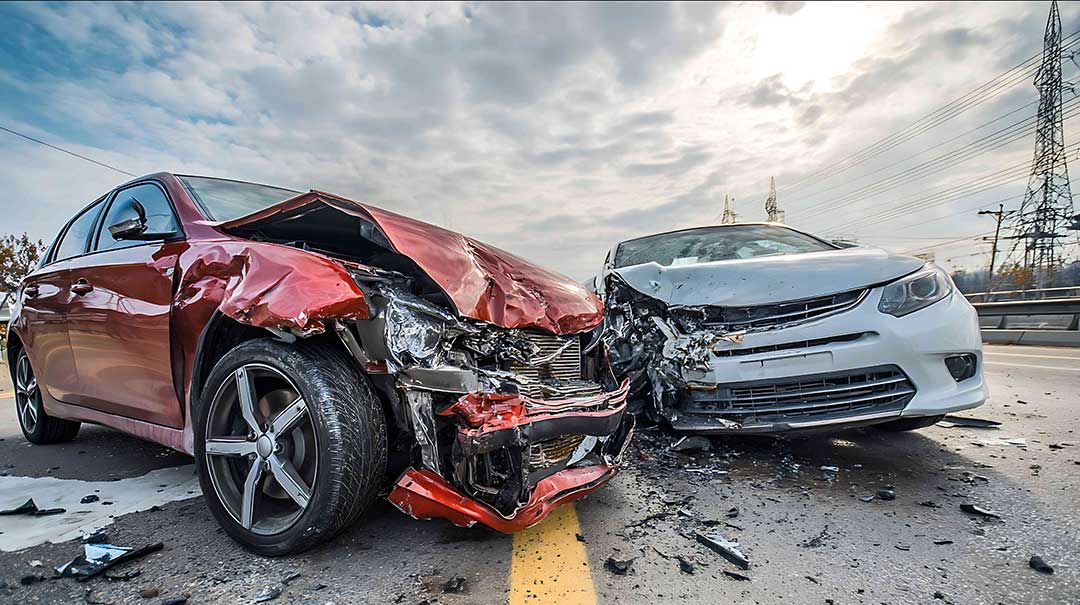
How Are Witness Statements Used in Personal Injury Proceedings?
Witness accounts can play several roles in local personal injury matters:
- Supporting claims of fault or negligence—such as determining who ran a red light or whether a property owner attempted to clear walkways after a snowstorm.
- Establishing how severe injuries appeared immediately after the event.
- Describing the scene’s conditions (e.g., poor lighting, wet floors, road hazards).
- Helping resolve inconsistencies between the parties involved or conflicting reports.
If a claim moves to formal negotiation or court, statements may be scrutinized for accuracy and compared with photos, surveillance videos, or physical evidence. Well-documented accounts can sometimes lead to quicker resolutions, while poor or missing statements create uncertainty and delay.
What Mistakes Do People Commonly Make with Witness Statements?
Local residents sometimes assume that only official police summaries count, or that verbal comments are enough. But relying only on memory, or not tracking down witnesses quickly, can weaken a case. Other frequent issues include:
- Not getting witnesses’ contact details before they leave the area.
- Forgetting to ask witnesses to be specific about what they saw (for example, the direction a car was coming from, or the time of day).
- Including assumptions or rumors instead of facts.
- Letting too much time pass before gathering written or recorded statements, which can cause important details to be forgotten.
Area households should also be aware that insurance companies reviewing claims in the city may ask to follow up with witnesses directly. Ensuring accuracy and candor in all statements is key, as inconsistencies can create complications later.
What Happens If There Are No Witnesses?
Not every personal injury incident has outside observers. In those cases, evidence comes from other sources—photos, medical records, or physical signs at the scene. Sometimes, someone who heard but did not see the event may still provide useful context, such as hearing the sound of brakes or a crash during an early morning commute. Even when witnesses are limited or unavailable, careful documentation and timely reporting remain critical.